
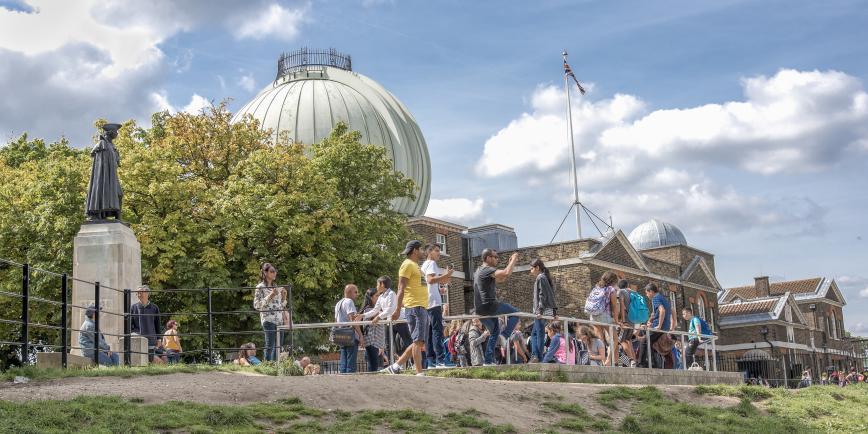
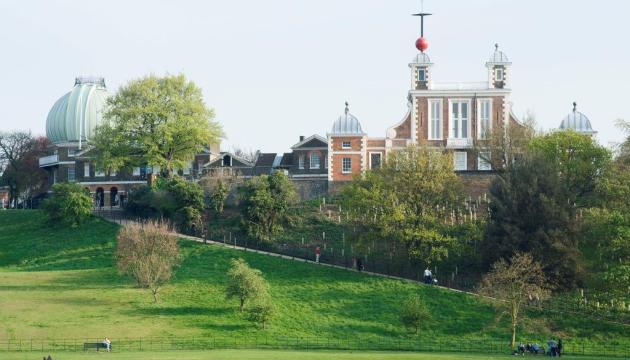
Visit the Royal Observatory in Greenwich, London. Home of Greenwich Mean Time (GMT), the Prime Meridian of the world and London’s Planetarium.

Time for spring!
Make the most of the days getting longer and visit the Home of Time
Observatory highlights
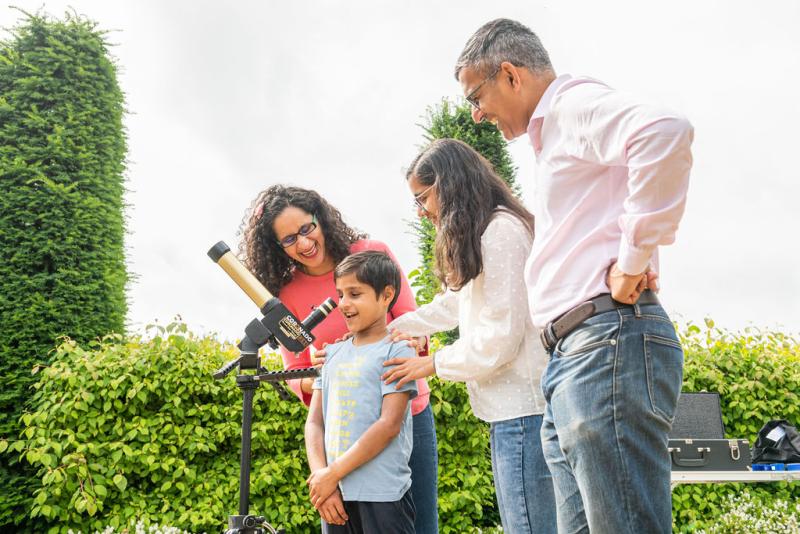
Have a family day out
Bring your little astronauts to the Royal Observatory for space-themed fun
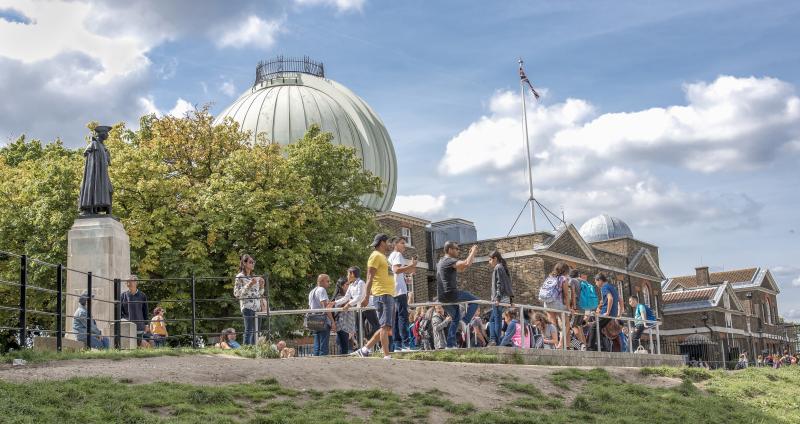
Top things to do
From historic clocks and telescopes to cutting edge astronomy, find all there is to see at the home of Greenwich Mean Time
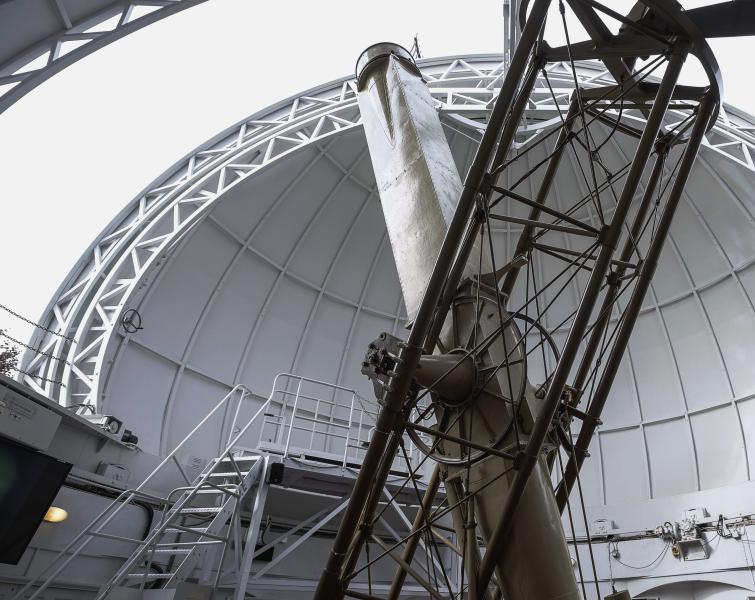
See the Great Equatorial Telescope
Stand beneath the magnificent onion dome and marvel at one of the largest refracting telescopes in the world
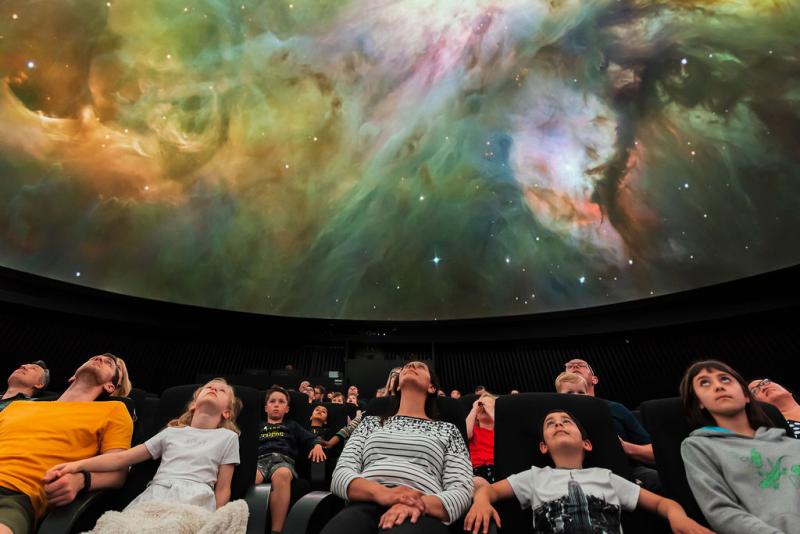
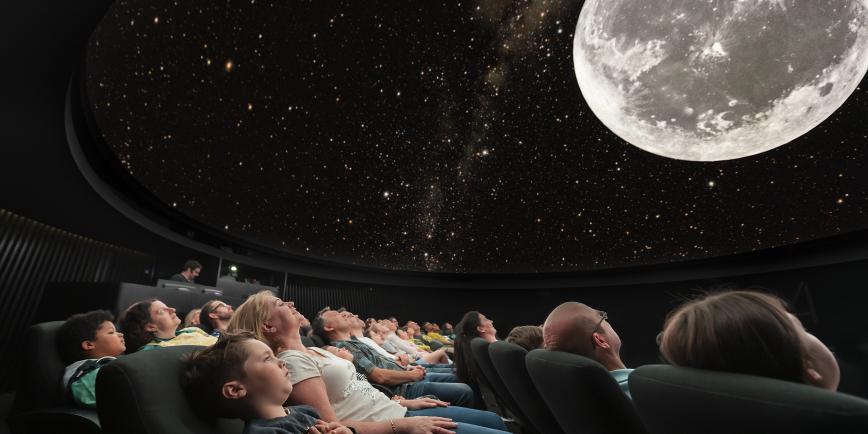
See a Planetarium show
Out of this world stargazing and astronomy shows for the whole family
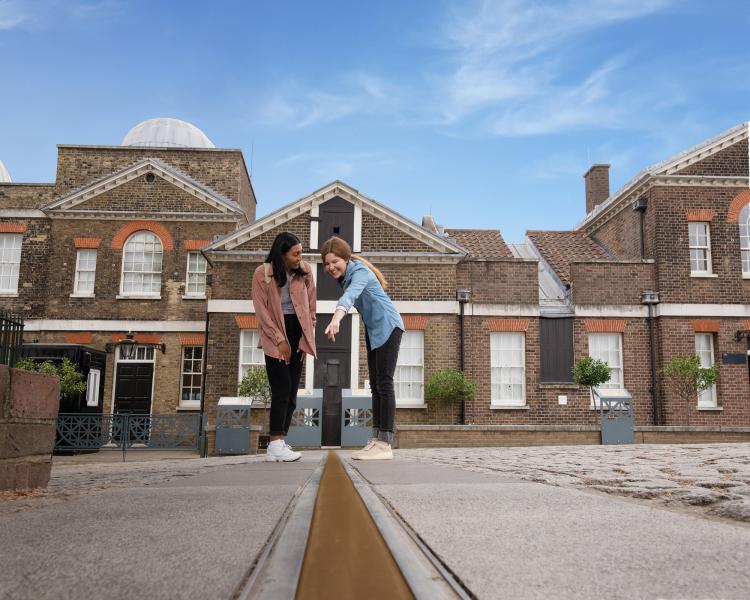
Stand on the Prime Meridian Line
Stand on the historic Prime Meridian of the World at the home of Greenwich Mean Time (GMT)
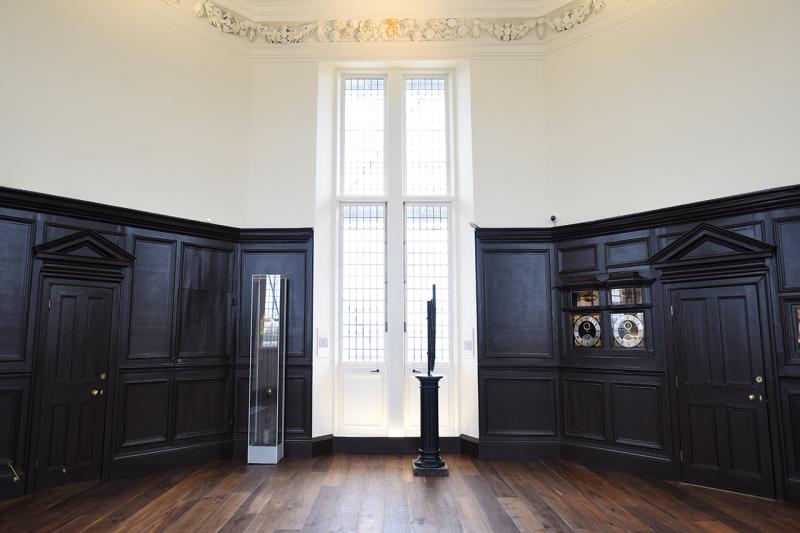
Visit the Octagon Room
Step inside the room designed by Sir Christopher Wren, and the oldest part of the Royal Observatory
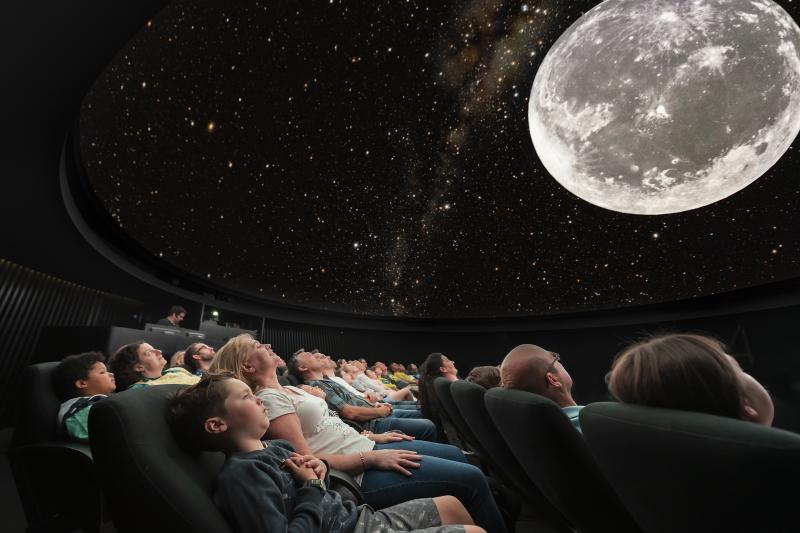
Planetarium Celebration Shows
Come and celebrate International Day of Planetariums with us in a series of one-off special shows, presented live by our Royal Observatory astronomers.
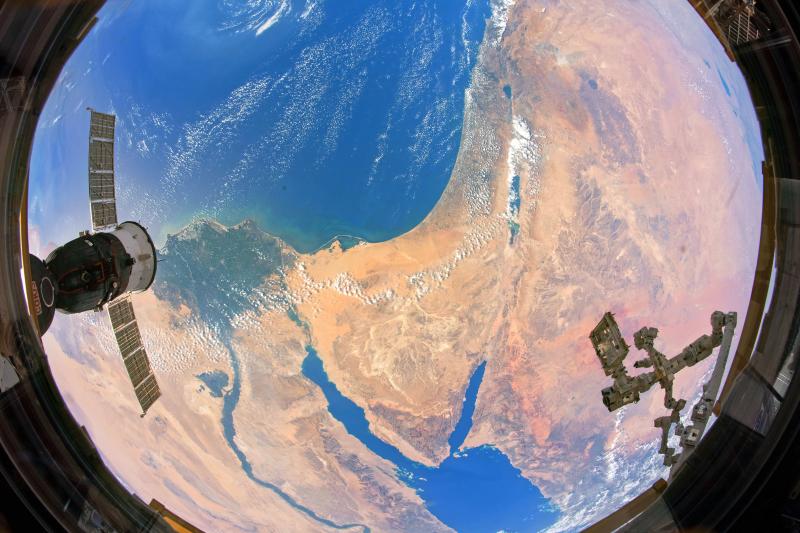
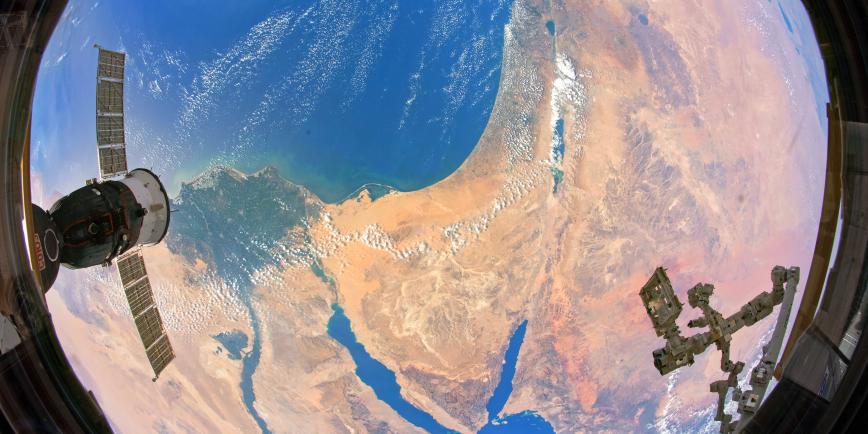
See Earth From Space
See the world through a satellite’s lens, and explore our changing planet at the Royal Observatory Greenwich
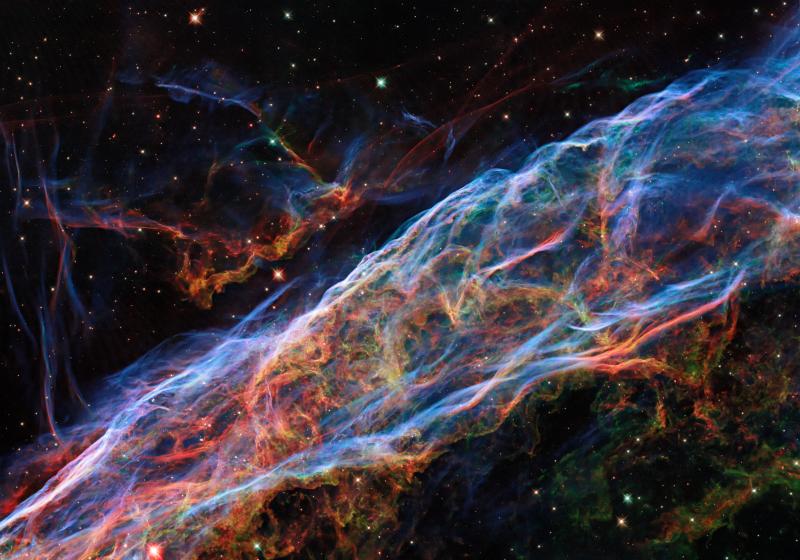
Silver Screen Science-Fiction: Lilo & Stitch
Join the Hawaiian rollercoaster ride that is Lilo & Stitch!
Plan your visit
How to book tickets
We recommend booking tickets to the Royal Observatory online in advance to guarantee entry. Tickets on the day are subject to availability.
Use the booking calendar to select your visit date and entry time, then select the number of tickets you require and click 'Add to basket'. Your tickets will be sent to you by email once you've completed your booking.
Members enjoy free unlimited entry to the Observatory and all other Royal Museums Greenwich sites, and do not need to book.
Planetarium shows are not included in entry to the Royal Observatory. For a full schedule and how to book, click here.
Planetarium bookings
Please note that Planetarium show tickets are not included in entry to the Royal Observatory and must be booked separately.
For a full schedule and how to book, click here.
Eat and drink
The Astronomy Café and Terrace, located inside the Astronomy Centre close to the Planetarium, is open every day for visitors and the public.
You can also pick up refreshments from stalls just outside the main entrance to the Observatory, or head towards the Parkside Café just down the hill at the National Maritime Museum.
Shop
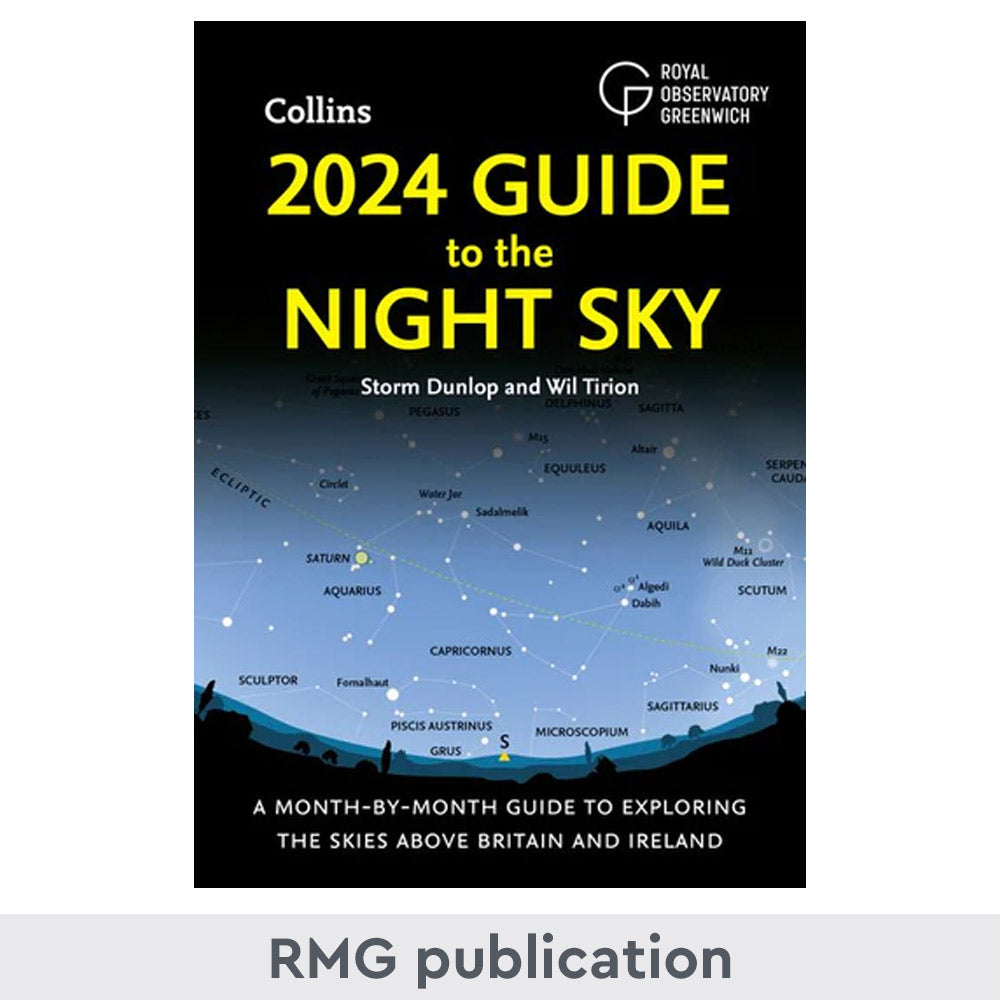
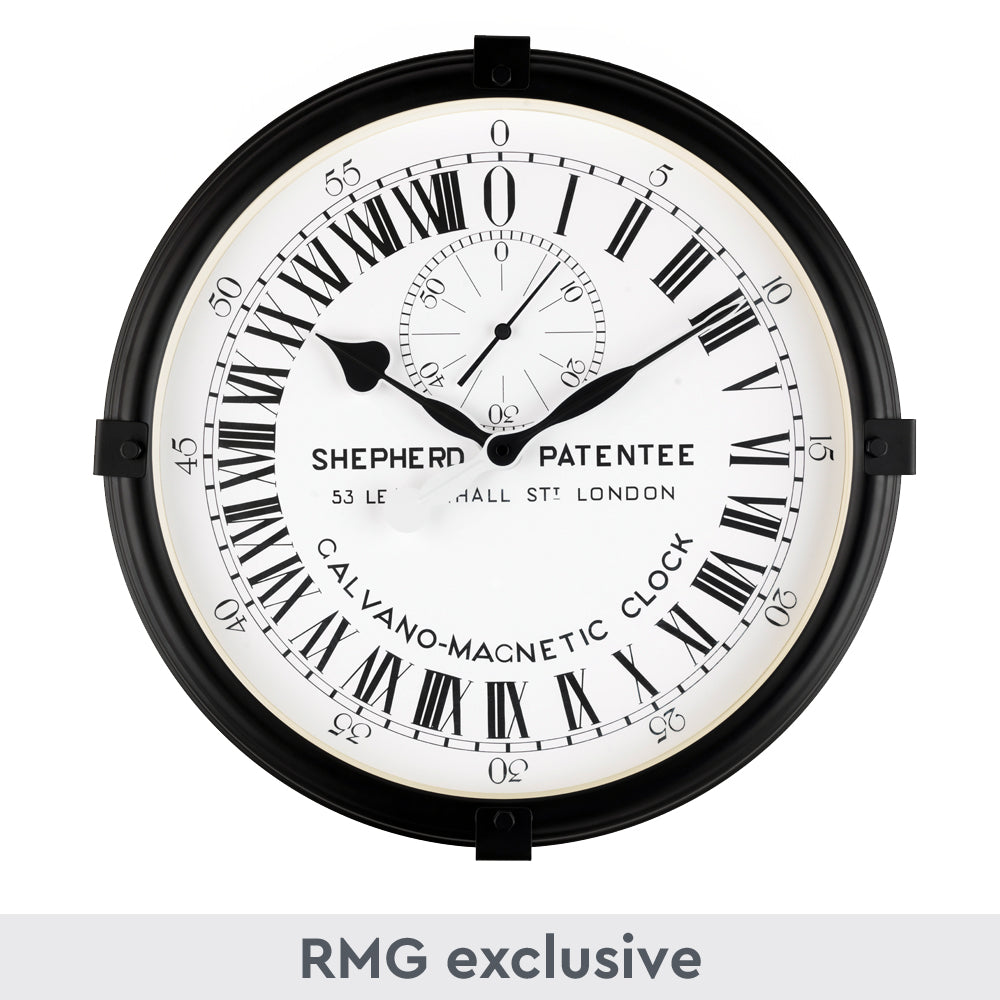
Find the perfect museum gift, from books and prints to models, toys and games. Visit us next to the Meridian Courtyard, in the Astronomy Centre, or shop online.
Accessibility and facilities
Find useful information about facilities at the Royal Observatory including cloakrooms, baby change and accessibility, and information for disabled visitors coming to any of our sites.
Maps and language guides
Download a free map to help guide you round the historic buildings. Our guides are also available in different languages to help you make the most of your visit.
Works in Greenwich Park
A project to restore Greenwich Park's 17th century landscape is currently taking place. As a result the path up to the Observatory through Greenwich Park is closed. We recommend taking the main avenue through the Park for step-free access or arriving via Blackheath Gate. See this map for more details.
Royal Observatory closures
Tuesday 23 April 2024 - Whole site closing early at 3.30pm
Tickets and Opening
| Adult: | £20 |
|---|---|
| Child: | £10 |
Regular opening hours
10am-5pm (last entry 4.15pm)
Summer opening hours
1- 31 May: 10am-6pm (last entry 5.15pm)
1 June - 31 August: 10am-7.45pm (last entry 7pm)
1 - 30 September: 10am-6pm (last entry 5.15pm)
- Greenwich Station
- Cutty Sark DLR
- Maze Hill Station
- Greenwich Pier
Stay connected
Sign up to our newsletter to receive all the latest news, stories and events from the Royal Observatory.
What’s On
Find Planetarium shows and Observatory events.





Online highlights
Night sky highlights - April 2024
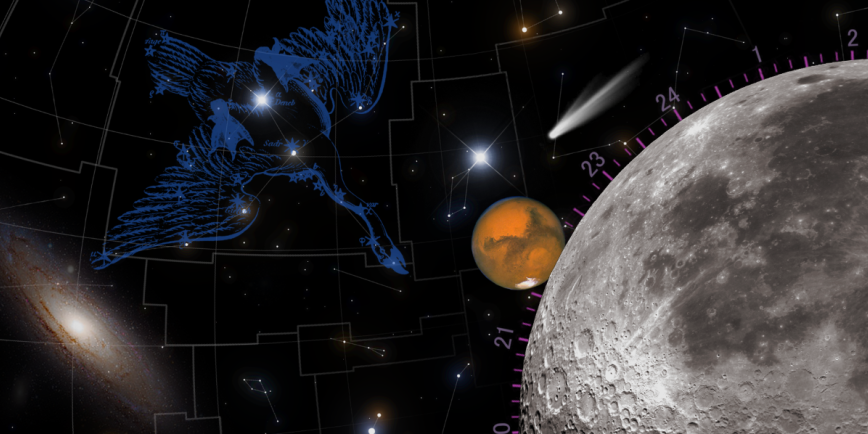
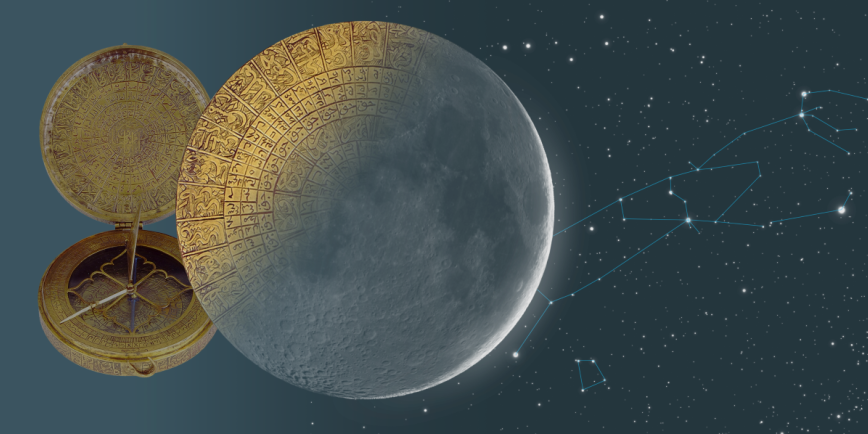
Discover what to see in April's night sky including Leo the lion, Comet 12P/Pons-Brooks and the Lyrid meteor shower.

The lost chronometer: the timepiece that sailed with Charles Darwin and Sir John Franklin
Learn more about the marine chronometer that journeyed on board HMS Beagle before being lost at sea during Sir John Franklin's disastrous expedition
The BBC pips: the Royal Observatory and the Greenwich Time Service
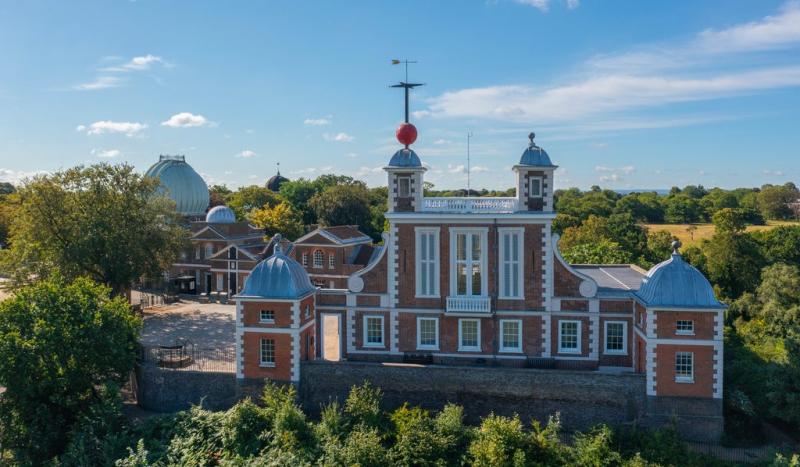
Discover the story behind the Greenwich time pips, first broadcast by the BBC 100 years ago in 1924
Space and astronomy highlights in 2024
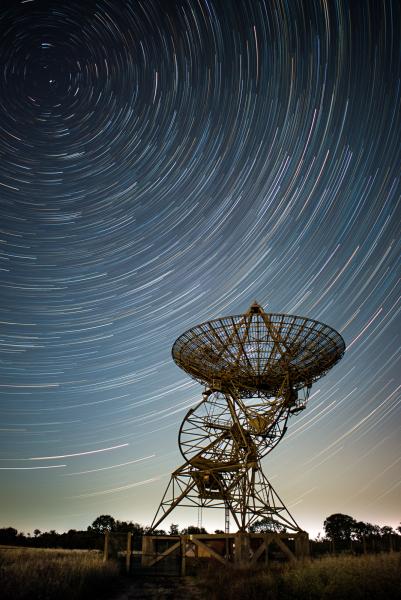
Want to know what to see in the night sky in 2024? Royal Observatory astronomers pick out the must-see moments
15 awe-inspiring astronomy discoveries
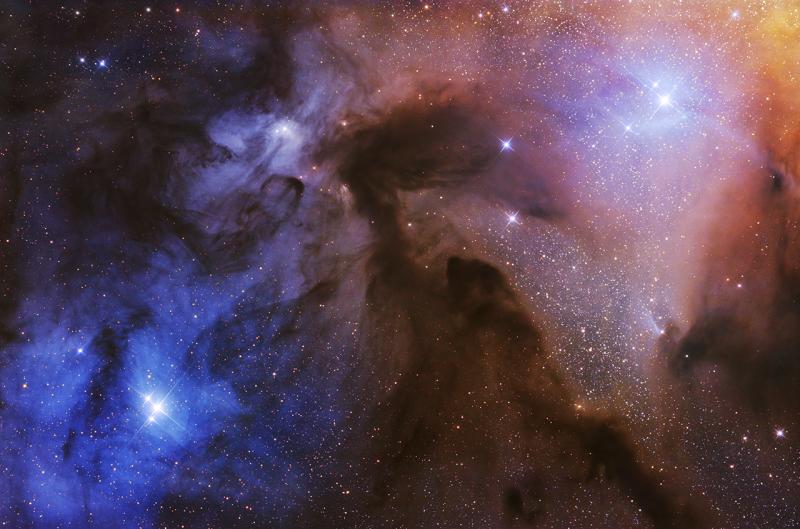
Discover 15 incredible astronomy facts that might just change how you see the Universe

Astronomy Photographer of the Year 2023 winners revealed
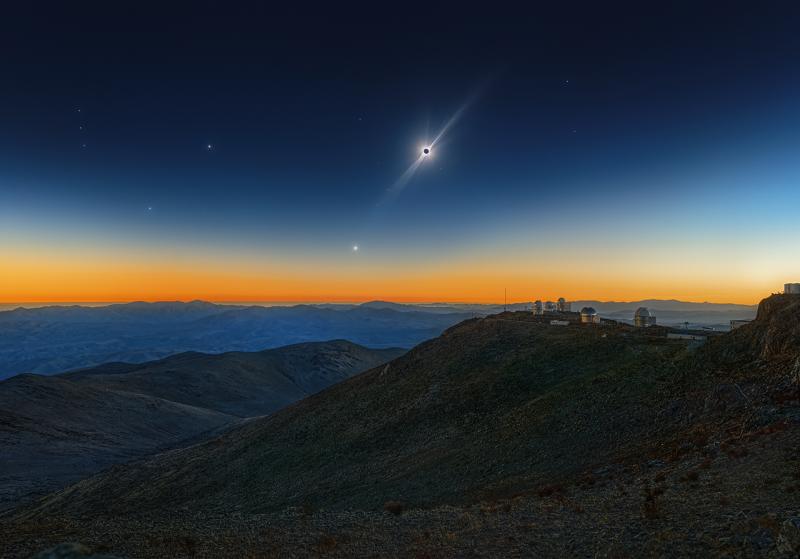
See the spectacular winning images from Astronomy Photographer of the Year 2023, and find out who has been named the overall winner
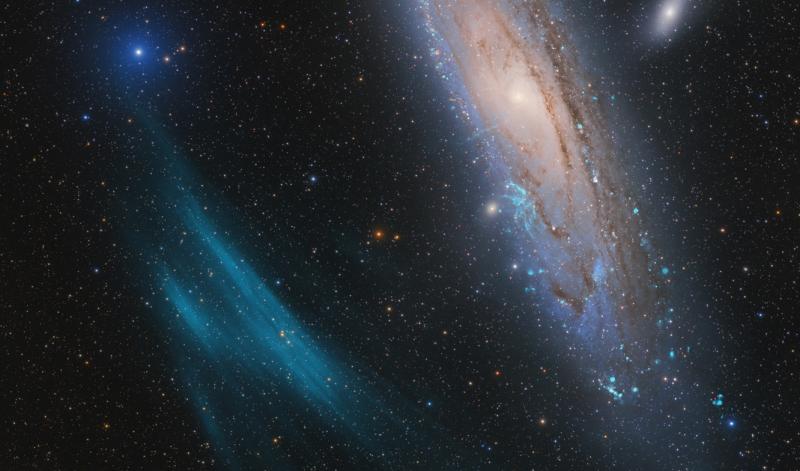
Andromeda, Unexpected - how three amateur astronomers and astrophotographers changed our view of the Universe
Learn about the brand-new discovery that earned Marcel Drechsler, Xavier Strottner and Yann Sainty the title of Astronomy Photographer of the Year – and a place in the science books
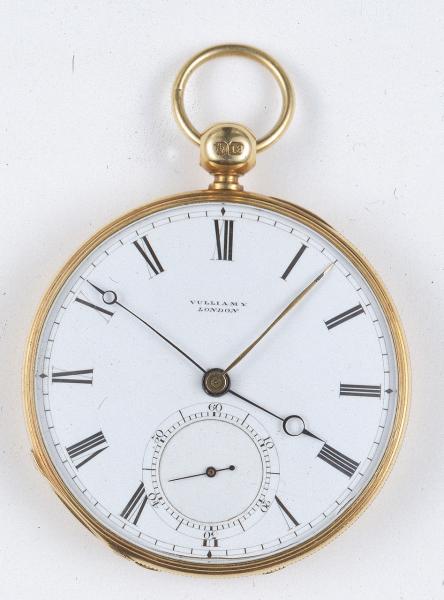
Time before Greenwich Mean Time: the confusing case of the traveller's watch
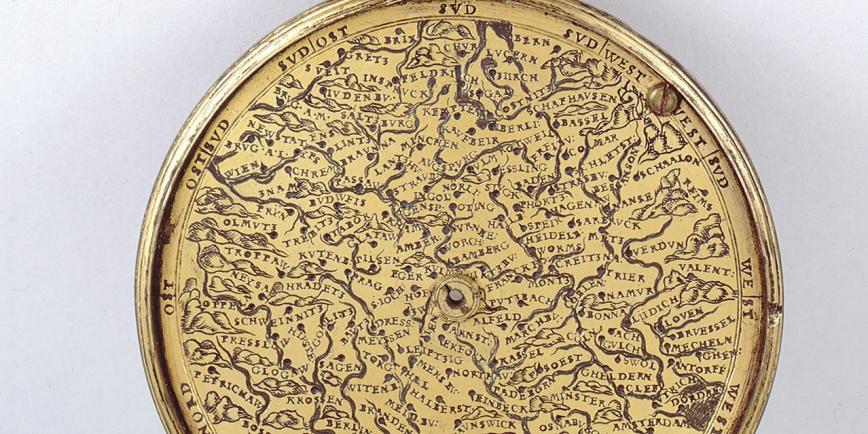
Before time became standardised, different areas of the country all kept their own 'local time'. This gold traveller's watch with two minute hands shows how tricky that could be
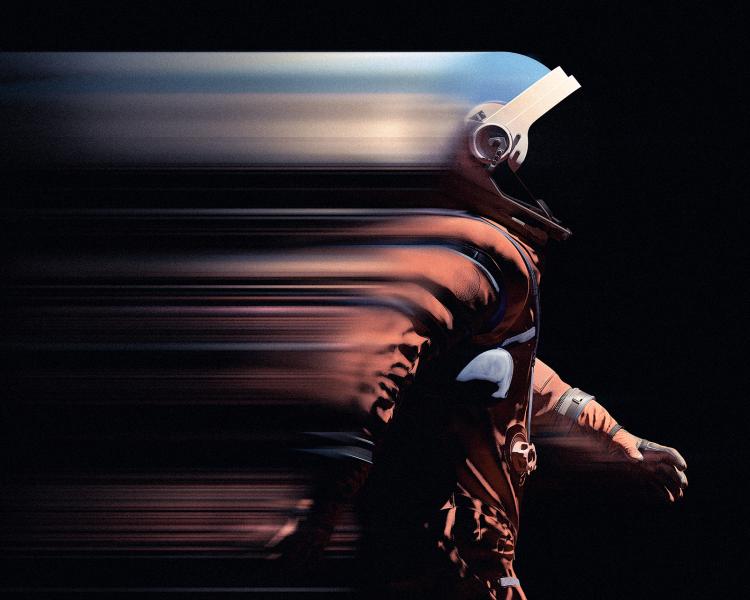
The new space race
Competition between the USA, China and Russia will have consequences for all of us here on Earth. But how is this 21st century space race different to the last one?

Why satellites are critical to fighting climate change
The polar ice sheets are melting six times faster than the 1990s. But thanks to earth observation satellites, we can at least measure the effect that climate change is having
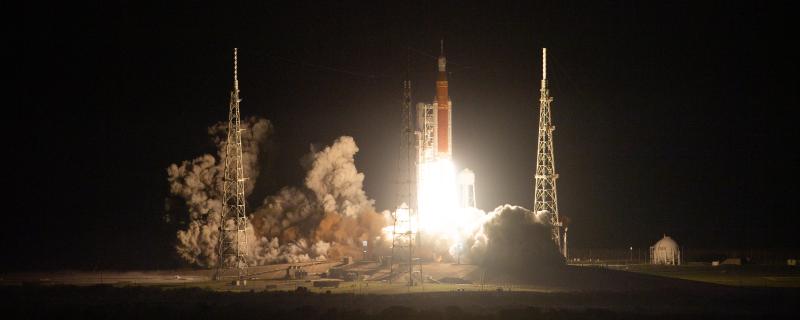
Artemis Programme: what you need to know about NASA’s Moon missions
NASA's Artemis missions aim to land the first woman and person of colour on the Moon, create a lunar base, and lay the groundwork for a future trip to Mars!
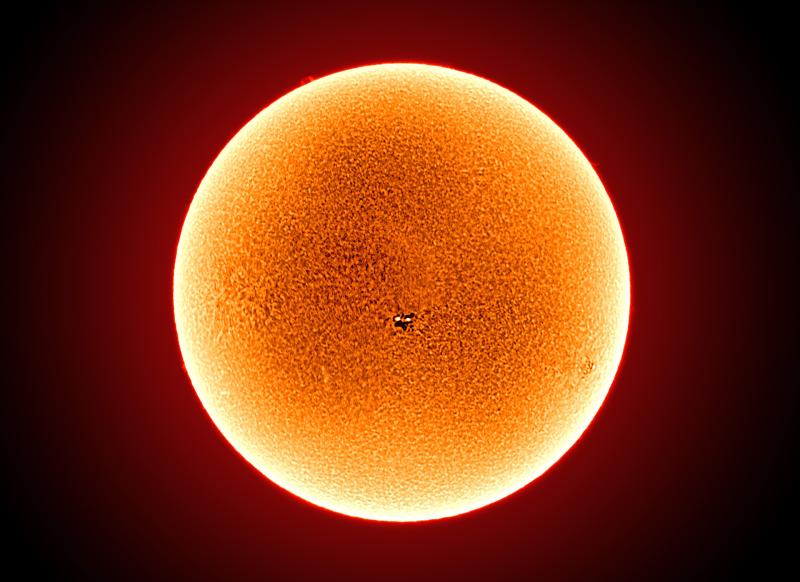
Astronomy blog
Read our monthly guides to the night sky, and check out the latest news from the Royal Observatory Greenwich astronomy team
Discover our shops

Choose your tickets
All visitors to the Royal Observatory must have a ticket to enter. Book online in advance to guarantee entry. Please note: planetarium shows are sold separately. See all tickets and prices

Royal Observatory
- Walk the Prime Meridian line
- See the best view in London
- Guaranteed entry time
- Audio guide included
- Planetarium shows not included
| Adult | £20 |
|---|---|
| Child | £10 |

Royal Museums Greenwich Day Pass
- Save 25% with combo ticket
- Cutty Sark
- Royal Observatory
- Guaranteed entry time
- Planetarium shows not included
| Adult | £30 |
|---|---|
| Child | £15 |
Member tickets
- Unlimited free entry
- Priority booking and exclusive events
- Access using your membership card
| Membership card number required |
|---|

Become a Member
- Unlimited entry all year
- Royal Observatory
- Cutty Sark
- Planetarium Shows
- Special exhibitions
| Direct Debit | One-off |
|---|---|
| Individual: £50 | Individual: £60 |
| Family: from £60 | Family: from £70 |